|
THOMAS E AEROSPACE & DEFENSE
MISSION CRITICAL
SUPPLIER BULLETIN · SURFACE FINISHES · SEPTEMBER 2026
|
|
FEATURE
The Power Is In The Surface Plating
| Two fasteners can look identical and behave nothing alike. The difference is almost always the plating. Here is a plain-language breakdown of the aerospace surface finishes you will see on a bench, what each one actually does, and when to reach for it. |
|
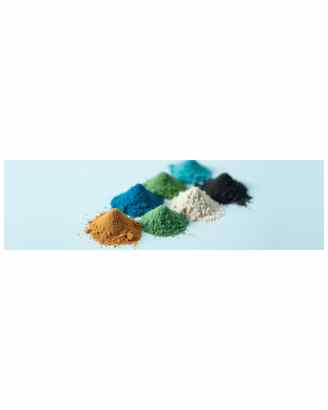
| Pour a box of aerospace fasteners onto a bench and the first thing you notice is color. Bright silver. Iridescent gold. A blue-grey sheen. Flat black. Those colors are not decoration and they are not a branding choice. They are the surface plating, and the plating is doing most of the work you never see. |
A fastener is a structural part, but it is also a chemical part. It sits in a joint with dissimilar metals around it, it gets rained on, salted, heated, torqued, and untorqued. Bare steel in that environment loses. The plating is the layer that takes the abuse so the base metal does not. |
| THE TRADE EVERY PLATING MAKES |
|
| There is no best plating. There is only the right plating for the joint, and every choice is a trade across three things: |
|
Corrosion Protection
How hard the finish fights back against moisture, salt, and dissimilar-metal contact. |
|
Dimensional Change
Plating adds material. On a threaded part that changes thread fit and the torque you feel going in. |
|
Cost & Compliance
What it costs, how many shops are qualified, and what the regulatory picture looks like in five years. |
|
| Push hard on any one of those and you give something up on the other two. That is the whole game. |
| THE FINISHES, ONE AT A TIME |
|
|
Cadmium Plate
The long-running aerospace benchmark. A sacrificial coating — it corrodes first so the steel underneath stays intact. Excellent salt and marine resistance, naturally lubricious so it resists galling and gives repeatable torque-tension, conducts well for bonding and grounding, and plays nicely against aluminum. The catch: cadmium is toxic, regulatory pressure keeps tightening, and the list of qualified shops keeps shrinking. Still specified on plenty of defense and legacy airframe work. |
|
Zinc-Nickel
The leading modern answer to the cadmium problem. It keeps the sacrificial behavior and delivers strong corrosion protection without the toxicity baggage. If a program is being designed today and someone asks what replaces cad, this is the first name on the list. |
| |
|
Yellow Zinc Chromate
The gold iridescent parts. Zinc plating with a chromate conversion layer on top, and that top layer gives both the color and a real step up over plain zinc. Inexpensive and widely available. Earns its keep on commercial hardware, ground support equipment, tooling and interior fittings. Not the answer for salt spray or a flight-critical joint. |
|
Clear & Blue Zinc Passivate
The bright, slightly blue-silver parts in the same family. Same zinc base, different conversion chemistry, cleaner cosmetic result, and generally a bit less corrosion protection than the yellow. Chosen when appearance matters or the gold look is not wanted. |
| |
|
Black Oxide
A conversion coating rather than a plated-on layer, which is its whole advantage: it changes the surface instead of adding to it, so thread fit and torque are essentially untouched. Dark and low-glare, which matters in a cockpit. Cheap. Corrosion protection is mild and needs a supplementary oil or wax. Good for non-critical, controlled-environment hardware. |
|
Passivation
Strictly speaking not a coating at all. A chemical treatment for stainless that strips free iron off the surface and lets the chromium oxide film rebuild itself. Nothing is added, so no dimensional change and no effect on thread fit. Environmentally friendly and inexpensive. Works only on stainless, and adds no lubricity and no wear resistance. |
| |
|
Anodizing
For aluminum and titanium hardware. Like passivation it converts the surface, but unlike passivation it grows an oxide layer outward, so it does affect tolerances. Type II is the general-purpose, dyeable version. Type III hardcoat is the thicker, tougher one for wear surfaces. Plan for this: the anodic oxide is an insulator, so anodized hardware in a grounding or EMI path needs a deliberate answer. |
|
Electroless Nickel
Applied autocatalytically rather than by electric current, so it deposits at the same thickness everywhere — down in threads, into bores, and inside blind features where an electroplated finish goes thin or misses entirely. Hard, wear resistant and corrosion resistant. When geometry is complicated and coverage has to be uniform, this is the one. |
| |
|
Dry Film Lubricant
A bonded PTFE or molybdenum disulfide film, and it is about friction rather than corrosion. It gives a predictable, repeatable coefficient of friction so torque actually correlates with clamp load, and it stops titanium and stainless from galling and seizing on assembly. Wide temperature range, nothing to migrate or contaminate. Frequently applied over another finish rather than instead of one. |
|
Silver Plate
The high-heat specialist. Anti-seize behavior at temperatures that would defeat almost anything else, plus excellent electrical conductivity. This is engine and exhaust-section hardware, and it pairs with the superalloys used out there. |
|
| 1 |
Start with the environment. Salt, moisture and heat narrow the field fast — and they narrow it before cost ever enters the conversation. |
| 2 |
Look at what the fastener touches. Dissimilar metals in contact create a galvanic path, and the finish is your first line of defense. Aluminum structure rewards careful thinking here. |
| 3 |
Check fit. On a fine thread or a close-tolerance hole, a finish that adds material can turn an easy assembly into a fight. If dimensional stability is the priority, the conversion treatments earn their place. |
| 4 |
Check whether torque matters. If the joint is torque-controlled, friction is not a detail, it is the specification. That is where lubricity stops being a nice-to-have. |
| 5 |
Cost comes last — and it comes last for a reason. The cheapest finish that fails in service is the most expensive part on the aircraft. |
|
|
|
THE SHORT VERSION
The plating is not the finish on the part. On an aerospace fastener, the plating is a good share of the engineering. Two bolts can be the same alloy, the same grade, the same thread and the same dimensions, and behave completely differently in a joint because of a layer you could measure in fractions of a hair.
Know what the colors mean and you know what you are holding.
|
|
|
Not sure which finish your application calls for?
Thomas E Aerospace & Defense supplies fasteners and hardware across the full range of aerospace surface finishes. Get in touch and we will work through it with you.
|
|
|
THOMAS E AEROSPACE & DEFENSE · CAGE CODE 12LD9 · 1-800-461-1051
Mission Critical is published for our supplier and partner network.
|
|
|